
Breastfeeding: Why it Matters
10th February 2026 · Written by: Varsha Nagaraj
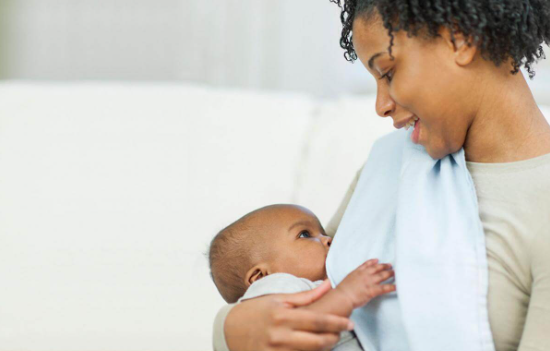
Breastfeeding: Why it Matters
Most babies can be breastfed successfully with the right support.
The World Health Organization (WHO) recommends that:
- Breastfeeding starts within the first hour after birth.
- Babies are exclusively breastfed for the first 6 months.
- Breastfeeding continues alongside solid foods for 2 years and beyond.
The Benefits of Breastfeeding
Breastmilk is more than just food. It provides babies with all the nutrients they need early in life and helps protect them from illness.
Breastfeeding:
- supports a baby’s immune system
- helps with brain development
- improves short‑ and long‑term health
- can help reduce health inequalities
How Breastfeeding Helps Babies
Research shows that babies who are breastfed:
- are less likely to become overweight or obese later in childhood
- have fewer infections, such as chest infections and tummy bugs
- are less likely to need hospital care, especially in early life
Breastfeeding and Mum’s Health
Breastfeeding is also good for mothers’ health. It can:
- lower the risk of breast cancer
- may reduce the risk of ovarian cancer
- may lower the risk of type 2 diabetes
Breastfeeding and the Environment
Breastmilk is a naturally renewable resource and gives babies all the nutrients they need for around the first six months of life. It produces minimal greenhouse gases and water footprint, contributing to local food and water security.
Breastmilk benefits our environment as it requires no packaging or transport and results in no wastage or depletion of natural resources.
No energy is wasted in sterilizing bottles and refrigerating them. Breastmilk is available at the right temperature so there is no need to use energy to heat anything and water and detergent are not usually needed for washing bottles, unless you’re giving your baby expressed breastmilk.
Breastfeeding Rates in the UK
Evidence shows that improving breastfeeding rates in the UK would make a real difference to children and women’s health.
A large UK review (Renfrew et al., 2012) found that if 45% of women exclusively breastfed for four months, and if 75% of babies in neonatal units were breastfed at discharge, every year there could be an estimated:
| Outcome | Hospital admissions / GP consultations | Estimated money saved |
|---|---|---|
| Gastrointestinal infections | ↓ 3,285 hospital admissions ↓ 10,637 GP consultations |
> £3.6 million |
| Lower respiratory tract infections | ↓ 5,916 hospital admissions ↓ 21,045 GP consultations |
> £750,000 |
| Necrotising enterocolitis (NEC) | ↓ 361 cases | > £6 million |
This could save the NHS many millions of pounds every year.
Breastfeeding Rates in the UK
Despite these clear benefits, breastfeeding rates in the UK remain low. They are among the lowest in Europe and worldwide.
Many mothers stop breastfeeding earlier than they planned. This is often due to:
- social and cultural pressures
- a lack of support
- pain or feeding difficulties
With the right information, encouragement and practical help, many more babies can be breastfed and for longer.
Thank you for reading – I hope you have found this helpful. If you have questions or would like personalised support, please do get in touch with me.